

In The Press: Ausbiz - US Earnings Season, optimism with a dose of volatility
15th July 2026
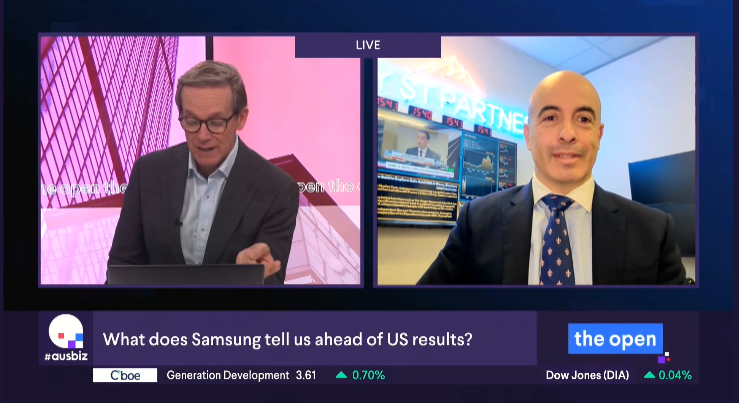
Huw Davies Daniel Reaper, Portfolio Manager, joined AusbizTV to discuss how discuss some key themes investors will be looking for as US reporting season kicks off. Expectations are already high, with S&P 500 earnings growth forecast at around 23–24% year-on-year for the June quarter. Estimates have increased in recent months, reflecting confidence in resilient US corporates.
We remain cautiously optimistic on earnings, but expect volatility and selectivity to remain important as companies provide guidance on AI, margins and the consumer outlook
Watch Here: US Earnings, Optimisim with a dose of volatility
Financials Strong Quarter
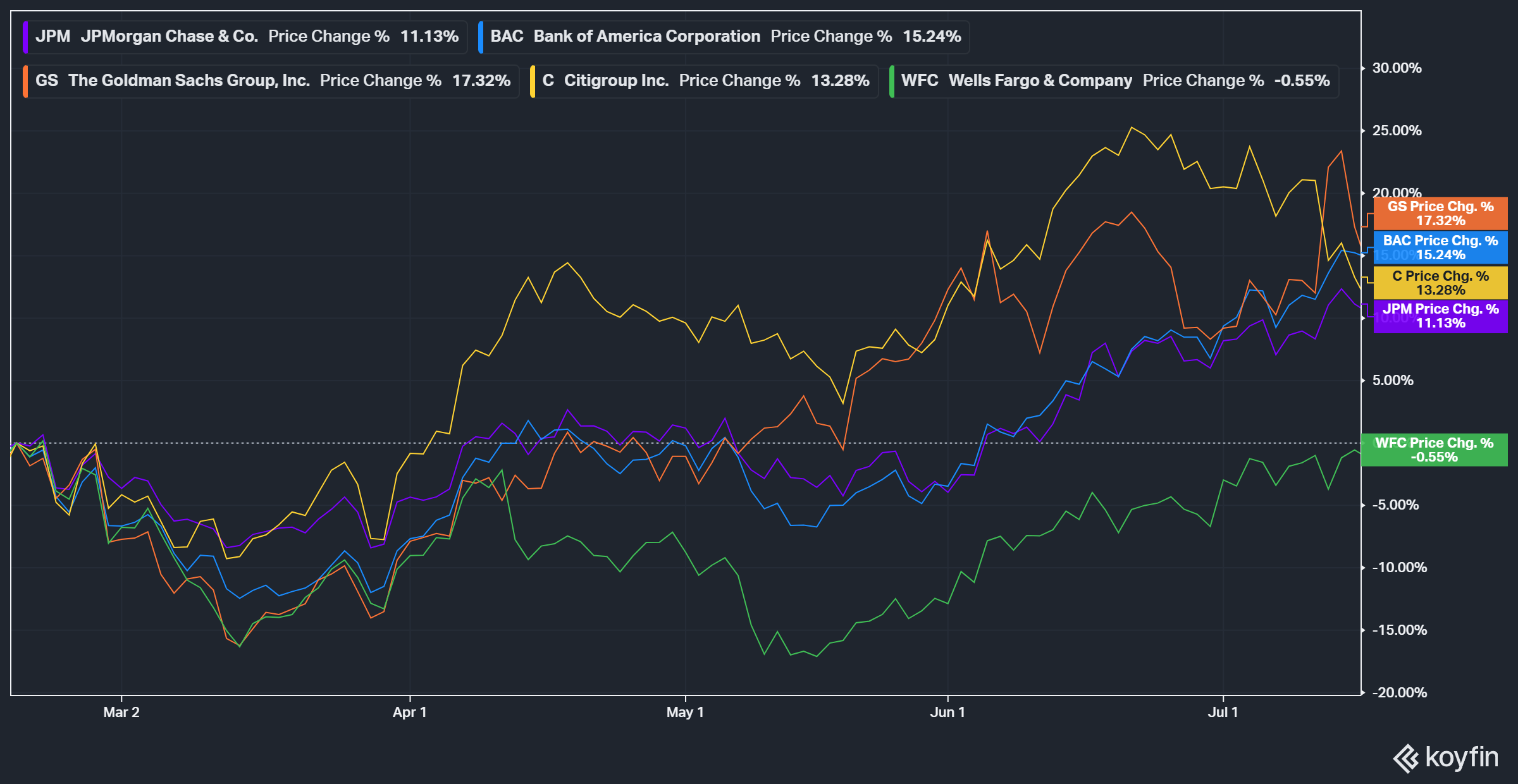
As US Earnings Season kicks off we see the banks delivering blow out quarters. Financials are important because banks provide one of the earliest reads on the economy. I'll be watching loan growth, credit quality, investment banking activity and net interest margins very closely. We saw BofA, JPM, GS, Citi and Wells Fargo all report earnings overnight that beat expectations, I’ll dive into these later today but at a headline level the theme was Strong revenue growth in equities trading. JPM saw every major business unit post record revenue for the qtr., BofA saw double digit income growth across every business segment and client balances reach record highs of 4.9trillion. GS deal backlog is highest level in 5 years- Bank CEOs suggesting the US Consumer remains resilient even with oil shock and US businesses are doing well.
Year to Date Markets have been Strong
It's fair to say this is one of the more important reporting seasons we've had for some time with markets have already delivering very strong returns so far this year. The Nasdaq-100 is up around ~17% year-to-date, the S&P 500 just over 10%, the Dow around 9%, while the Russell 2000 has been the standout performer, gaining around 19.5%.
So, investors are coming into earnings season with a fairly optimistic outlook already reflected in share prices. Against that backdrop, the earnings expectations themselves are very strong. Consensus estimates are around 23–24% year-on-year earnings growth for the S&P 500 in the June quarter, which would mark another quarter of earnings growth above 20%. What's particularly interesting is how expectations have evolved. Normally, analysts revise estimates lower as companies approach reporting season. This year we've seen the opposite. Consensus expectations have increased from around 18.8% at the end of March to more than 23% today.
That tells us two things. Firstly, corporate America continues to benefit from a resilient economy and strong technology earnings. But secondly, it means companies are reporting against a much higher hurdle. So, I think the market is going to be asking whether companies can deliver results and, importantly, guidance that justifies today's elevated valuations."
Beyond Headline numbers, what are we looking for?
Narrowing it down to three key themes, AI monestisation, US Consumer and Margins & Corporate confidence.
Over the last 18 months, markets have rewarded companies for investing heavily in artificial intelligence. The next phase is about proving those investments are generating returns. Investors will be looking for evidence that AI is translating into revenue growth, improving productivity, supporting margins and ultimately delivering an attractive return on the very significant capital being invested. Companies like NVIDIA, Microsoft, Alphabet, Amazon and Meta will be central to that discussion.
The second theme is the US consumer. Overall, the consumer remains remarkably resilient. Retail sales continue to grow, employment remains strong and real consumer spending has held up much better than many expected despite higher interest rates. However, the picture underneath is becoming more nuanced. We are increasingly seeing a two-speed consumer or K shaped economy.
Higher-income households continue to benefit from rising wages, higher equity markets and housing wealth, while lower-income consumers are facing greater pressure from higher rents, food costs and increased reliance on credit card borrowing. So, investors will be listening carefully for commentary around whether customers are becoming more price sensitive, whether they're trading down to cheaper products, whether promotions are increasing and whether companies are still able to maintain pricing power.
The third theme is margins and corporate confidence. Over the past two years companies have done an excellent job protecting profitability through pricing power, productivity gains and disciplined cost control. Now investors want to know whether those margins can be sustained. Are wage pressures easing? Are input costs stabilising? Is corporate investment continuing? We saw an interesting reaction to Samsung's earnings despite very strong results. What does that tell us about investor expectations heading into the US reporting season?
Samsung provides one of the best-case studies for this earnings season. On the surface, the numbers were exceptional. Samsung reported a massive increase in operating profit over 1800%, driven largely by continued strength in AI-related memory demand and the global build-out of AI infrastructure. The revenue generated in one quarter alone was greater than the total of 2024 and 2025 combined Yet despite those very strong results, the share price fell by almost 7% and is now down over 17% since reporting. We saw IBM report last night also and it was off 25% after reporting a result that fell short of expectations- the miss was around 2.5% on EPS and 3.5% on Revenue.
“CEO Arvind Krishna blamed the shortfall on weakness in the software and infrastructure business, as clients shifted spending toward hardware purchases such as memory chips.” That tells us investors are becoming much more demanding. They're no longer rewarding companies simply for producing strong earnings. They're asking whether those earnings are sustainable.
The questions now are:
Has AI infrastructure spending peaked?
Will the hyperscale cloud providers continue investing at the same pace?
Are memory profits close to cyclical highs?
And perhaps most importantly, can companies continue exceeding already elevated expectations?
Samsung really reinforces the broader message for this reporting season. Companies also need to convince investors that the next phase of earnings growth is still ahead."Within technology we are also seeing rotation from semiconductors into software as the two baskets have turned negatively correlated. Over the past month the IGV software ETF rose around 7% while SOXX fell about 8%, a 15% differential. More recently SOXX is down nearly 12% while IGV is up 3%.
At a portfolio level we will be active, as mentioned earlier with Samsung we are cognisant of the wild swings that can come from a pretty resilient earnings print. We will be looking to manage our weights at a stock level leading into earnings on those hot names. In addition, volatility is on the radar, skirmishes in Iran so we will be looking to mitigate this through some VIX positioning and active portfolio hedging.